Guerrilla Marketing: How Small Budgets Create Big Impact
Guerrilla marketing is a creative and unconventional strategy aimed at generating maximum attention with minimal resources. Unlike traditional advertising, it relies on unexpected, surprising, and often provocative actions to engage the target audience. This type of marketing can be executed both online and offline, with the goal of leaving a lasting impression and eliciting a strong emotional response from the audience.
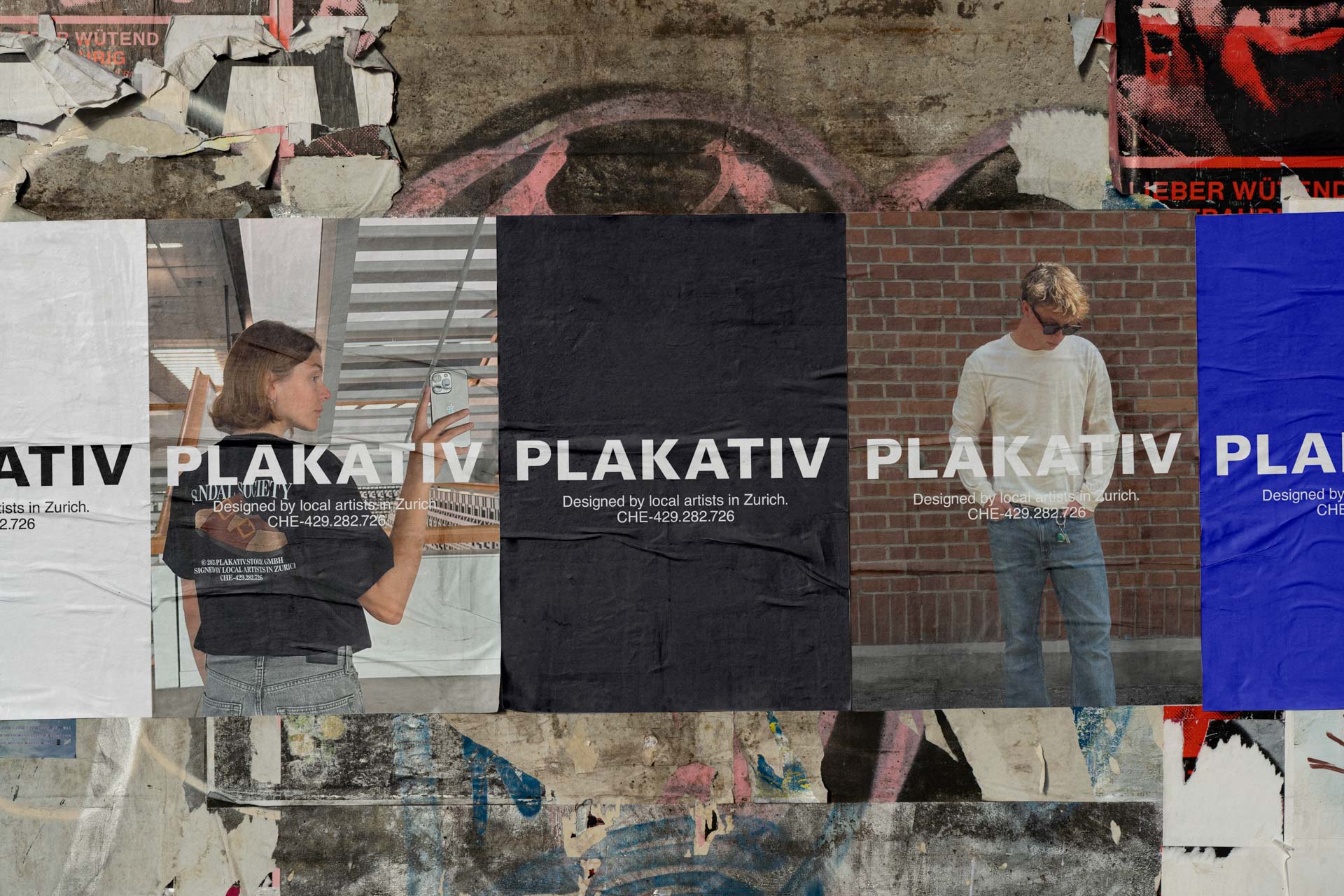
Guerrilla marketing is a creative, unconventional approach that aims to generate maximum attention with minimal budget, using surprise, wit, and unexpected placements rather than expensive media buys. For smaller companies, and especially for Swiss SMEs competing against far larger advertising budgets, it is one of the few tactics where a clever idea can genuinely outperform money. This guide explains what guerrilla marketing is, why it works, the main types and where to use them, how to develop a campaign step by step, and the risks to manage so a bold idea builds your brand instead of backfiring.
What Is Guerrilla Marketing, and Why Does It Work?
Guerrilla marketing is a strategy built on creativity and surprise rather than spend. Instead of buying large amounts of conventional advertising, it places an unexpected, memorable idea where an audience does not expect it, in public space, online, or both, and lets the surprise do the work. The term borrows from guerrilla tactics: small, agile, and high-impact, designed to achieve a disproportionate result from limited resources.
It works because attention is scarce and most advertising is ignored. People filter out the familiar, but a genuinely unexpected idea breaks that filter and earns a second look, an emotional reaction, and often a conversation. That emotional response is what makes the message stick far longer than a standard ad, and what turns viewers into people who tell others about it.
For Swiss SMEs, this matters because budget is usually the constraint, not ideas. A guerrilla campaign lets a small brand punch well above its weight, generating awareness and word of mouth that would otherwise cost far more through paid channels. The trade-off is that it demands a strong idea and careful execution, since the same boldness that makes it effective also makes it risky.
What Are the Main Types of Guerrilla Marketing?
Guerrilla marketing covers a wide range of tactics, but most fall into a few recognisable types:
Ambient marketing: placing creative messages into everyday environments, such as streets, transport, or public objects, so the surroundings become part of the ad.
Experiential and stunt marketing: live events or staged moments that invite people to participate or react, often designed to be filmed and shared.
Ambush marketing: associating a brand with an event or moment it has not officially sponsored, gaining visibility in a context others paid for.
Digital and viral guerrilla: unexpected online content designed to be shared rapidly across social platforms, extending a physical idea or living entirely online.
Grassroots and street-level activations: small, direct, person-to-person actions that create buzz in a specific local area.
The strongest campaigns often combine types. A physical stunt that is designed from the outset to be photographed and shared online, for example, multiplies a single local action into far wider digital reach. Choosing the right type starts with where your audience actually is and what will genuinely surprise them there.
Creativity can solve almost any problem.
George Lois, advertising designer
How Do You Develop a Guerrilla Marketing Campaign?
A guerrilla campaign looks spontaneous, but the good ones are carefully planned. A practical process runs through five steps:
Understand the audience: define who you want to reach, where they spend time, and what would genuinely catch them off guard rather than annoy them.
Define one clear message: a guerrilla idea can carry only one simple thought, so decide the single thing you want people to remember or feel.
Brainstorm boldly: gather unconventional ideas tied to unusual locations, unexpected formats, and surprising twists, without filtering too early.
Pressure-test feasibility: review each idea for cost, legal and safety considerations, brand fit, and the risk of being misread.
Execute and amplify: run the action with the resources you have, and plan from the start how it will be captured and shared so its reach extends beyond the moment.
The step most often skipped is amplification. A brilliant stunt seen by fifty passers-by achieves little; the same stunt filmed well and shared online can reach thousands. Treat the documentation and distribution of the idea as part of the idea itself, not an afterthought.
What Are the Benefits and Risks of Guerrilla Marketing?
The benefits are considerable for the right brand. Guerrilla marketing delivers high recognition and recall, strengthens positioning by signalling that a brand is bold and creative, and generates PR and word of mouth that feel more authentic than paid advertising. Because it relies on ideas rather than media budget, it can be remarkably cost-effective, which is exactly why it appeals to smaller companies.
The risks are the mirror image of those strengths. A message that is unclear can be misread, an idea that pushes too hard can offend, and a stunt that ignores rules or safety can create legal trouble or reputational damage instead of goodwill. Public space in particular often requires permits, and ambush tactics can cross legal lines around trademarks and events.
The way to manage this is discipline behind the boldness: a clear message, respect for the audience and the law, and an honest check of how the idea could be misinterpreted before it goes live. Guerrilla marketing rewards courage, but only when that courage is paired with judgement.
When Should Swiss SMEs Use Guerrilla Marketing?
Guerrilla marketing is at its best when a brand needs attention and differentiation more than immediate, measurable sales. It suits launches, repositionings, and moments when a smaller brand wants to feel bigger and more memorable than its budget would normally allow. It is especially well matched to the Swiss out-of-home environment, where well-chosen public spaces and commuter routes put a creative idea directly in front of large local audiences.
It is a weaker choice when the only goal is direct response and tight cost-per-lead tracking, where search and performance channels usually do better. The most effective approach is to treat guerrilla marketing as the spark that creates awareness, then capture the resulting interest through your other channels. That way a single bold idea feeds a wider system rather than standing alone. This fits the broader channel thinking in our guide to marketing in Switzerland, and the creative-idea foundation connects closely to strong brand design. Amplifying one bold idea across every channel takes far more assets than a single execution, which is where AI content creation earns its place.
Ready to turn a bold idea into attention for your brand in Switzerland?
At Collective Agency, we develop guerrilla and out-of-home ideas that get noticed and shared, without wasting budget. Get in touch with our team for a no-obligation conversation about your next campaign.
People read what interests them, and sometimes it's an ad.
Howard Luck Gossage, advertising pioneer
Summary
This guide explains guerrilla marketing as a creative, low-budget way for smaller companies, and Swiss SMEs in particular, to win attention against far larger advertising budgets. It covers what guerrilla marketing is and why surprise makes messages stick, the main types from ambient and experiential to digital and ambush, and a practical five-step process for developing a campaign. Readers learn the benefits of high recognition and authentic word of mouth, the legal and reputational risks to manage, and when the tactic fits, namely awareness and differentiation rather than direct response. The core idea is that a strong idea, amplified well, can outperform money.
Related Articles

AI Video and UGC: What Can Be Produced Today, and What Cannot
Published
By
Dino Reichmuth

AI Images in Advertising: The Legal Position in Switzerland
Published
By
Lars Kienle

AI Content Creation Dominates the Feed
Published
By
Dino Reichmuth

External Marketing Consulting: When It's Worth It and What to Look For
Published
By
Lars Kienle